Bearing Arms, Bearing Responsibility: How Texas Can Anchor the Nation's Constitutional Future
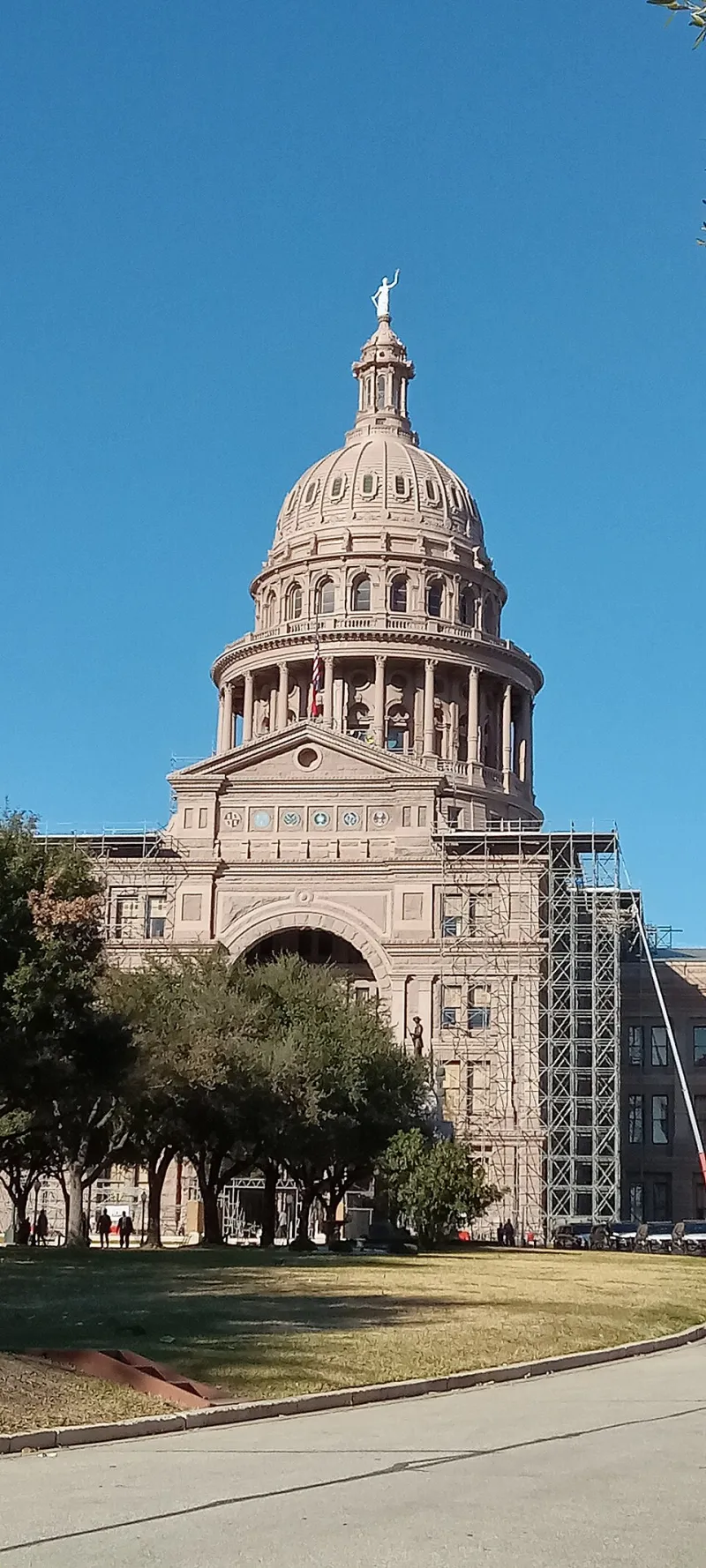
Photo: CupWithSoda19, CC BY-SA 4.0, via Wikimedia Commons
There is a particular kind of clarity that comes from reading the Second Amendment without ideological filters. A well regulated Militia, being necessary to the security of a free State, the right of the people to keep and bear Arms, shall not be infringed. Seventeen words that have endured for more than two centuries. Seventeen words that, in the current political climate, have never been more contested — or more consequential.
Texas has always understood what those words mean. And as the nation's legal landscape grows increasingly turbulent, the Lone Star State must do more than simply understand. It must lead.
A Right Under Siege
The past decade has produced a cascade of federal regulatory actions, state-level restrictions in blue jurisdictions, and judicial rulings that have left gun owners across the country uncertain about where their constitutional protections begin and end. From red flag laws that bypass due process to municipal ordinances that effectively criminalize lawful carry, the erosion has been steady and deliberate.
Constitutional law scholar and Second Amendment litigator Dr. Marcus Teel, who has argued firearms cases before federal appellate courts in three circuits, puts it plainly: "The legal architecture being constructed around the Second Amendment in many states is designed not to regulate firearms, but to make their lawful ownership practically impossible. The goal is compliance through exhaustion."
That exhaustion strategy — burying gun owners in permit requirements, registration mandates, storage regulations, and liability exposure — is precisely what Texas must resist. Not out of obstinance, but out of fidelity to the constitutional compact that binds every level of American government.
The Bruen Decision and What It Demands of Texas
The Supreme Court's 2022 ruling in New York State Rifle & Pistol Association v. Bruen was a landmark moment for Second Amendment jurisprudence. The Court's majority established that firearms regulations must be grounded in the historical tradition of American gun law — a standard that invalidates a significant portion of the modern regulatory apparatus that progressive states have assembled.
But court decisions, however sweeping, do not enforce themselves. They require state-level champions willing to codify their principles into durable law. Texas has an opportunity — and a responsibility — to become the definitive model for what Bruen-compliant governance looks like in practice.
McKennon's policy team has worked with constitutional attorneys and law enforcement professionals to identify the specific legislative and executive actions that would anchor Texas's position as the national standard-bearer for Second Amendment protection.
McKennon's Framework for Constitutional Defense
Preemption Strengthening. Texas already maintains strong state preemption over local firearms ordinances, but enforcement mechanisms have at times been inconsistent. McKennon proposes codifying automatic civil remedies for Texans whose rights are violated by local overreach, ensuring that the preemption statute has genuine teeth.
Second Amendment Sanctuary Designation. While the term has become politically charged, the underlying principle is sound: Texas state resources should not be deployed to enforce federal firearms regulations that conflict with the Texas Constitution or the Bruen standard. McKennon supports formal legislative language that prohibits state and local law enforcement from serving as instruments of unconstitutional federal gun enforcement.
Due Process Protections Against Red Flag Expansion. Federal red flag frameworks, which allow firearms to be confiscated before any criminal conviction or adjudication of mental incompetence, represent a direct assault on both the Second and Fifth Amendments. McKennon is firmly opposed to any Texas adoption of such frameworks and supports legislation that explicitly bars their implementation at the state level.
Legal Defense Infrastructure. Texans who exercise their right to self-defense should not face financial ruin in the process. McKennon supports expanding and strengthening Texas's existing self-defense immunity statutes, as well as establishing a legal defense fund accessible to law-abiding Texans who face prosecution for legitimate acts of self-preservation.
The Rural Dimension
Conversations about the Second Amendment often center on urban carry rights, but for rural Texans, the stakes are different and in many ways more immediate. A rancher outside Presidio County or a farmer near the Red River does not have the luxury of a three-minute police response time. Self-defense is not a political abstraction for these Texans — it is a practical daily reality.
Law enforcement professionals in West Texas and the Panhandle have consistently told McKennon's campaign that rural communities depend on an armed citizenry not as a last resort, but as a first line of defense. Livestock theft, trespassing by cartel-affiliated smugglers, and the isolation that defines much of rural Texas all make the right to keep and bear arms something more than a constitutional principle. It is a survival tool.
Any serious Texas policy framework must account for this reality and resist the temptation to craft gun legislation through an exclusively urban lens.
Texas as a National Anchor
What Texas does matters beyond its own borders. As the nation's second-largest state and one of its most economically dynamic, Texas sets precedents that other states observe and often emulate. When Texas passes meaningful criminal justice reform, other red states take note. When Texas structures its energy policy, the national market responds. The same dynamic applies to constitutional law.
If Texas builds a comprehensive, legally defensible, and practically effective framework for Second Amendment protection, it provides a template that can be replicated across the country. It also provides a legal bulwark — a body of state law so thoroughly grounded in constitutional text and historical tradition that it becomes difficult for federal actors to dislodge.
Dr. Teel frames the opportunity this way: "Texas has the legal talent, the political will, and the cultural foundation to become what Virginia was for religious liberty in the founding era — the place where a fundamental right is most robustly protected and most clearly defined."
A Commitment Rooted in Values
McKennon's commitment to the Second Amendment is not born from political calculation. It is born from a genuine belief that the right to self-defense is among the most fundamental of human rights — one that predates the Constitution and is merely recognized, not granted, by it. Government does not give Texans the right to protect themselves and their families. Government is simply obligated not to take it away.
In an era when that obligation is being tested at every level of the American system, Texas must be unambiguous about where it stands. The Second Amendment is not a relic. It is not a regional preference. It is a cornerstone of the free society that Texans have always chosen to inhabit and defend.
McKennon for Texas is committed to keeping it that way.
